Exploring Sound Meditation at Sri Balarishi Peetham
- pravaahafoundation
- Apr 29
- 4 min read
Sound meditation is gaining popularity as a powerful tool for relaxation and self-discovery. At Sri Balarishi Peetham, this ancient practice is embraced with open arms, offering a unique experience that combines spirituality and sound. In this blog post, we will explore the essence of sound meditation, its benefits, and what you can expect when participating in a session at Sri Balarishi Peetham.
What is Sound Meditation?
Sound meditation involves using sound as a focal point to enhance mindfulness and relaxation. This practice can include various elements such as:
Tuning Forks: These instruments produce specific frequencies that resonate with the body.
Singing Bowls: Often made of metal or crystal, these bowls create soothing sounds when struck or circled with a mallet.
Chanting: Vocal sounds or mantras can help participants connect with their inner selves.
The primary goal of sound meditation is to quiet the mind and promote a state of deep relaxation. By focusing on sound, participants can let go of distractions and immerse themselves in the present moment.
The Benefits of Sound Meditation
Engaging in sound meditation offers numerous benefits, including:
Stress Reduction: The calming effects of sound can lower cortisol levels, helping to alleviate stress and anxiety.
Enhanced Focus: By centering attention on sound, individuals can improve their concentration and mental clarity.
Emotional Healing: Sound vibrations can help release emotional blockages, promoting a sense of peace and well-being.
Physical Relaxation: The soothing sounds can help relax muscles and reduce tension in the body.
At Sri Balarishi Peetham, participants often report feeling a profound sense of calm and clarity after a session.
What to Expect at Sri Balarishi Peetham
When you arrive at Sri Balarishi Peetham for a sound meditation session, you will be welcomed into a serene environment designed to enhance your experience. Here’s what you can expect:
Welcoming Atmosphere
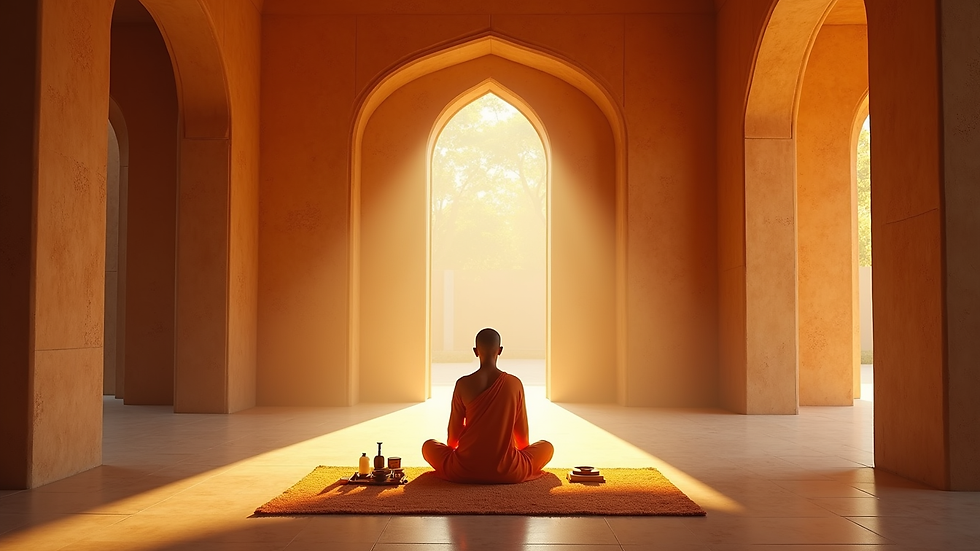
The moment you step into the Peetham, you will be enveloped by a peaceful ambiance. The space is often adorned with natural elements, creating a harmonious setting that encourages relaxation.
Guided Sessions
Each sound meditation session is typically guided by an experienced facilitator. They will introduce you to the various instruments used and explain how to engage with the sounds effectively. This guidance is especially beneficial for beginners.
Group Dynamics
Sound meditation at Sri Balarishi Peetham often involves group participation. This communal aspect can amplify the experience, as collective energy enhances the vibrations of sound. Many participants find comfort in sharing this journey with others.
Duration and Structure
Sessions usually last between 60 to 90 minutes. They typically begin with a brief introduction, followed by a guided meditation that incorporates various sound elements. The session concludes with a period of reflection, allowing participants to share their experiences if they wish.
Preparing for Your Session
To make the most of your sound meditation experience, consider the following tips:
Arrive Early: Give yourself time to settle in and acclimate to the environment.
Wear Comfortable Clothing: Loose, comfortable attire will help you relax during the session.
Stay Hydrated: Drink water before the session to ensure you feel your best.
Set an Intention: Think about what you hope to achieve during the meditation. This could be relaxation, clarity, or emotional healing.
Personal Experiences
Many individuals who have participated in sound meditation at Sri Balarishi Peetham share transformative experiences. For example, one participant described feeling a deep sense of connection to their inner self, while another reported a significant reduction in anxiety levels after just one session.
These personal stories highlight the profound impact that sound meditation can have on mental and emotional well-being.
The Role of Sound in Meditation
Sound plays a crucial role in meditation practices around the world. Different cultures have utilized sound in various forms, such as:
Native American Drumming: Used for spiritual ceremonies and healing.
Tibetan Singing Bowls: Known for their rich tones and healing properties.
Gregorian Chants: Employed in religious settings to enhance spiritual connection.
At Sri Balarishi Peetham, the integration of these diverse sound elements creates a unique experience that resonates with participants from all backgrounds.
The Science Behind Sound Meditation
Research has shown that sound can influence our brainwaves and emotional states. Studies indicate that sound meditation can lead to:
Alpha and Theta Brainwave States: These states are associated with relaxation and creativity.
Increased Melatonin Production: Sound meditation can enhance sleep quality by promoting melatonin release.
Lower Heart Rate: The calming effects of sound can lead to a decrease in heart rate, promoting overall cardiovascular health.
Understanding the science behind sound meditation can deepen your appreciation for the practice and its benefits.
Conclusion
Sound meditation at Sri Balarishi Peetham offers a unique opportunity to explore the healing power of sound. With its tranquil environment, guided sessions, and communal experience, participants can embark on a journey of self-discovery and relaxation. Whether you are a seasoned practitioner or a curious beginner, sound meditation can provide valuable insights and benefits.
If you are interested in experiencing the transformative effects of sound meditation, consider joining a session at Sri Balarishi Peetham. Embrace the opportunity to connect with yourself and others through the soothing vibrations of sound.


Comments